What to Do When Your Key Fob Battery Is Dead

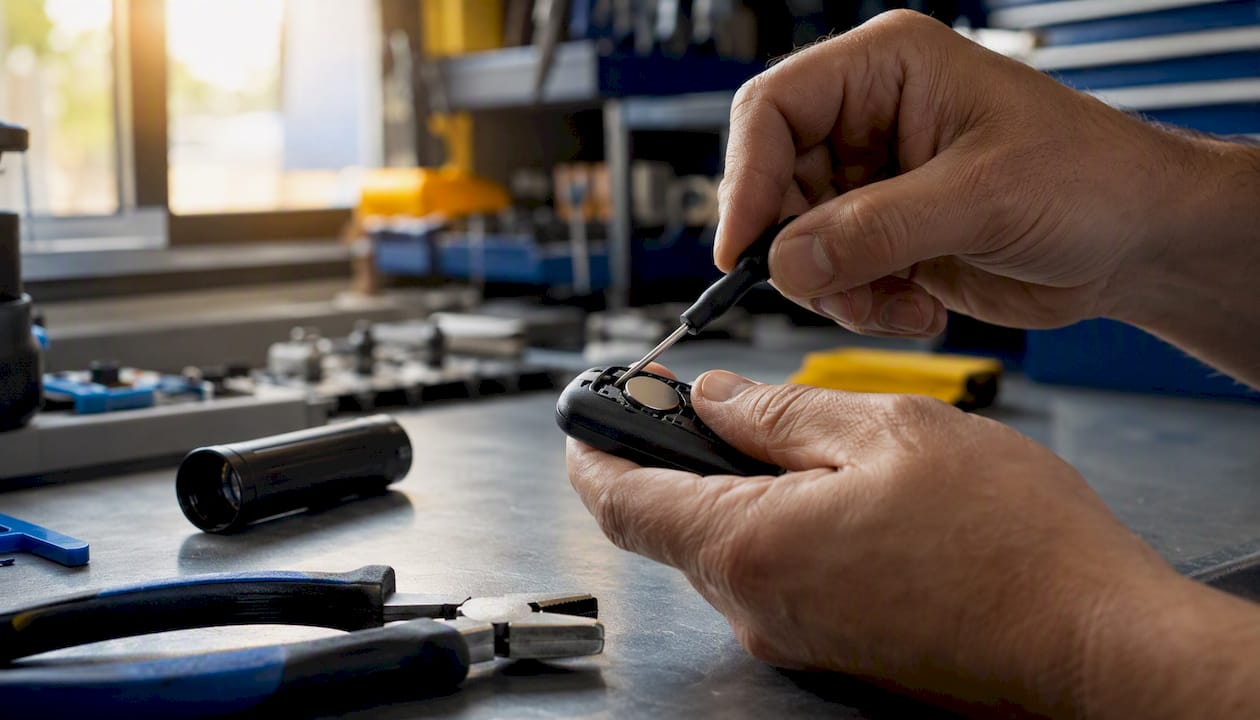
Your fastest fix: hold the dead fob directly against the push-button start or pull out the hidden physical key and unlock the door manually. Most modern vehicles include a passive chip inside the fob that the car can still read at very close range, even when the battery is completely dead. According to Motor1, this backup method works across a wide range of makes and models, and it takes about 30 seconds to try.
Here are the top actions to take right now:
Hold the fob against the start button and press normally. The car’s reader detects the passive chip without needing battery power.
Use the hidden mechanical key (usually released by a small button on the fob) to unlock the driver’s door directly.
Try a spare fob if you have one. If the spare works normally, the problem is your primary fob’s battery, not the vehicle.
Replace the coin-cell battery as soon as you can. Retailers like AutoZone and Batteries Plus stock the most common sizes, and AAA confirms that many manufacturers build in non-battery-dependent backup methods precisely for this situation.
Key Takeaways
A dead key fob battery rarely leaves you stranded because most modern vehicles include a passive-chip backup that lets the car start when the fob is held directly against the start button.
Point | Details |
Try the proximity start first | Hold the dead fob against the push-button start; the car reads the passive chip without battery power. |
Use the mechanical key | The hidden key blade unlocks the door and, on keyed ignitions, starts the car directly. |
Replace the correct battery | Match the code stamped on the old cell (commonly CR2032, CR2025, or —) and install it positive-side up. |
Troubleshoot before calling a pro | Check battery orientation, contacts, and the spare fob before assuming a receiver or programming fault. |
Replace batteries every 2–3 years | Scheduled replacement prevents dead-fob emergencies; coin cells typically last 2–5 years depending on use. |
Table of Contents
What can you do right now when your key fob isn’t working?
You don’t need tools or a tow truck for most dead-fob situations. Work through these steps in order.
Press the unlock button several times while standing close to the door. A nearly dead battery sometimes has just enough power to trigger the receiver at short range.
Locate the mechanical key. Flip the fob over, press the small release tab, and slide out the metal key blade. Insert it into the door lock cylinder on the driver’s side and turn. Most vehicles still have this cylinder even if it’s hidden behind a small cover.
Hold the fob against the start button and press the brake pedal. Keep the fob flat against the button face. The car’s antenna reads the passive transponder chip inside the fob and allows the engine to start.
Check the center console or cup holder for a designated fob slot. Some models, particularly certain Toyota and Lexus vehicles, include a hidden reader in this area. Your owner’s manual identifies the exact spot.
Try the spare fob. If the spare starts the car without issue, you’ve confirmed the original fob’s battery is the culprit.
Pro Tip: If the car starts when you hold the fob against the button but won’t respond from across the parking lot, that’s a clear sign the battery is weak rather than dead. Replace it the same day before it fails completely.
How to replace a key fob battery safely and correctly
The whole job typically takes only a few minutes, and the only tool you might need is a small flathead screwdriver or a plastic pry tool. A clean cloth helps protect the fob’s finish and keeps fingerprints off the new battery.
What you’ll need:
Small flathead screwdriver or plastic trim pry tool
Clean, lint-free cloth
Replacement coin-cell battery (check the code on your old battery first)
Step-by-step replacement:
Find the seam or notch on the edge of the fob. This is where the two halves separate.
Insert the pry tool gently into the notch and twist slightly. Work around the seam rather than forcing one spot. Avoid metal tools on painted fobs to prevent scratching.
Note the battery orientation before touching it. The positive side (marked “+”) faces a specific direction, and reversing it is one of the most common mistakes people make.
Slide or pop the old battery out. Some fobs use a small clip; others let the battery sit freely in a tray.
Match the battery code printed on the old cell. USA Today notes that CR2032 is the most common size, but other CR-series cells appear frequently. The code is stamped directly on the battery.
Install the new battery in the same orientation. Press it firmly until it seats flat.
Snap the fob case closed and test the lock and unlock buttons while standing next to the car. AutoZone recommends testing before fully snapping the case shut so you can re-seat the battery immediately if it doesn’t respond.
Test at normal range (across a parking lot) to confirm full signal strength.
Safety note: Coin-cell batteries are a swallowing hazard. Keep them away from children and pets, and dispose of used batteries at a retailer recycling drop-off rather than in household trash.
Which coin-cell battery does your key fob actually use?
The battery code tells you everything. Look at the old battery directly: the number is stamped on the flat face. The “CR” prefix indicates a lithium coin cell, and the four digits describe the diameter and thickness (e.g., CR2032 = 20 mm diameter, 3.2 mm thick).
Batteries Plus stocks all common fob coin cells and recommends checking the printed code rather than guessing by size, since CR2032 and CR2025 look nearly identical but are not interchangeable.
Where to buy same-day:
AutoZone and other auto parts stores: staff can often look up the correct battery by vehicle year, make, and model.
Batteries Plus: carries a wide range of CR-series cells and can confirm the right fit on the spot.
Drugstores and big-box retailers (Walgreens, CVS, Walmart, Target): stock CR2032 and CR2025 reliably; less common sizes may require a specialty store.
AAA service centers: carry common fob batteries and can assist with replacement during a roadside call.
Expect to pay $3–$8 for a single coin cell at retail. Buying a two-pack costs only slightly more and gives you a spare.
What to do if a new battery doesn’t fix the problem
A fresh battery that still leaves your car remote stopped working points to something beyond a simple cell swap. Work through this triage sequence before calling a dealer.
Confirm the battery is seated correctly. Open the fob again and check that the positive side faces the right direction and the cell sits flat with no gap.
Verify you used the correct battery code. A CR2025 installed where a CR2032 belongs may not make full contact.
Test the spare fob. AutoZone’s troubleshooting guide explains that if a spare fob works normally, the fault is in the original fob rather than the vehicle receiver.
Try the emergency-proximity start. Hold the fob against the start button. If the car starts this way but not from a distance, the new battery may be weak or the fob’s antenna is damaged.
Check the vehicle’s 12-volt battery. A weak car battery can cause the receiver to behave erratically, producing a “key not detected” warning even when the fob is fine.
Inspect the fob internals. Open the case and look for corrosion on the battery contacts, a bent clip, or physical damage to the circuit board. Corroded contacts can sometimes be cleaned gently with a dry cotton swab.
Common mistakes that cause “key fob not working after battery change” calls:
Battery installed upside down (most frequent issue)
Wrong battery code used
Battery not fully seated in the tray
Case not snapped fully closed, causing the battery to shift
When to call a professional:
The fob passes all the checks above but the car still shows “key not detected”
The mechanical key turns but the ignition won’t engage
The fob was submerged in water or physically damaged
You’ve lost all fobs and have no backup key
The vehicle requires dealer-level programming that a standard key programmer can’t handle
Emergency start and unlock methods when your fob is dead
The reason proximity methods work is straightforward: every key fob contains a passive RFID chip that requires no battery power to transmit a signal. The car’s antenna energizes the chip inductively when the fob is close enough, typically within an inch or two of the reader.
Capital One Auto Navigator explains that the vehicle detects this passive signal and allows the ignition to proceed, which is why the exact placement of the fob matters so much.
For push-button start vehicles:
Hold the fob flat against the start button face and press the brake pedal simultaneously.
If that doesn’t work, try placing the fob in the center console tray or cup holder while pressing the button.
Some vehicles have a hidden fob reader slot beneath the steering column or inside the armrest compartment.
For keyed ignition vehicles:
Use the mechanical key to unlock the door, then insert it into the ignition and turn normally. The passive chip in the key blade (a transponder key) communicates with the immobilizer without needing the fob’s battery.
The single fastest diagnostic you can run: hold the dead fob directly against the start button and press. If the car starts, the vehicle is working perfectly and the fob battery is the only problem. If nothing happens, the issue may be the car’s receiver, the 12-volt battery, or a programming fault — and that’s when a professional inspection saves time.
Check your owner’s manual or the manufacturer’s app for the model-specific reader location. AAA emphasizes that the exact backup location varies by brand, and the manual is the most reliable reference.
Simple habits that prevent a dead fob from stranding you
Most dead-fob emergencies are avoidable with a few low-effort habits.
Keep a spare coin cell in your glove box. A CR2032 costs under $5 and takes up no space.
Replace the fob battery every 2–3 years regardless of symptoms. USA Today recommends scheduled replacement rather than waiting for failure, since coin cells typically last 2–5 years depending on how often you use the fob.
Keep a backup fob or a cut mechanical key in a secure location separate from your primary fob.
Save a local locksmith’s number before you need it. Locallocksmithandcarkeysdelaware’s service area page lists coverage across Delaware so you can confirm availability in advance.
Watch for dashboard low-battery warnings. Many vehicles display a “key fob battery low” message weeks before the battery fails completely.
Avoid leaving fobs in extreme heat, such as a glove box in direct summer sun. High temperatures shorten coin-cell life noticeably.
Pro Tip: Program a second fob if your vehicle supports it. A spare fob stored at home is the single most reliable backup, and Locallocksmithandcarkeysdelaware can program a new fob on-site without a dealer visit.
When should you call a mobile locksmith instead of a dealership?
A mobile locksmith reaches you where you are, often faster and at lower cost than a dealership appointment. Here’s how to decide.
What Locallocksmithandcarkeysdelaware can handle on-site:
Emergency vehicle unlocks when the mechanical key is unavailable
On-site key fob battery replacement and diagnosis
Key cutting and transponder key programming
Replacement fob supply and programming for most makes and models
Ignition repair and replacement
Mobile locksmith vs. dealership at a glance:
Speed: A mobile locksmith typically arrives faster than a dealership can schedule a service appointment, especially for emergencies.
Convenience: Service comes to your location, whether you’re in a parking lot or at home.
Cost: On-site locksmith fees are often lower than dealer labor rates for the same task.
Programming scope: Dealers have proprietary tools for certain high-security or luxury vehicles; a skilled mobile locksmith covers the majority of common makes and models.
Call Locallocksmithandcarkeysdelaware when:
You’re locked out and the mechanical key is broken or unavailable.
DIY battery replacement and all troubleshooting steps have failed.
You need a replacement or additional fob programmed on-site.
The ignition won’t engage even with the mechanical key.
You’ve lost all keys and fobs and need emergency access.
Consider the dealership when:
The vehicle is under factory warranty and the fob issue may be covered.
The manufacturer requires proprietary programming tools your model’s security system mandates.
The fob problem is tied to a broader electrical or security system fault.
For most everyday dead-fob situations in Delaware, Locallocksmithandcarkeysdelaware’s automotive locksmith services resolve the problem on the spot. Readers in the Wilmington area can also reach the team directly through the Wilmington service page.
A locksmith’s honest take on dead key fob calls
In our experience responding to calls across Delaware, the overwhelming majority of “key not detected” and keyless start problems trace back to one of three causes: a dead or mis-seated battery, corroded contacts inside the fob, or a loose battery clip. Genuine receiver failures in the vehicle are comparatively rare.
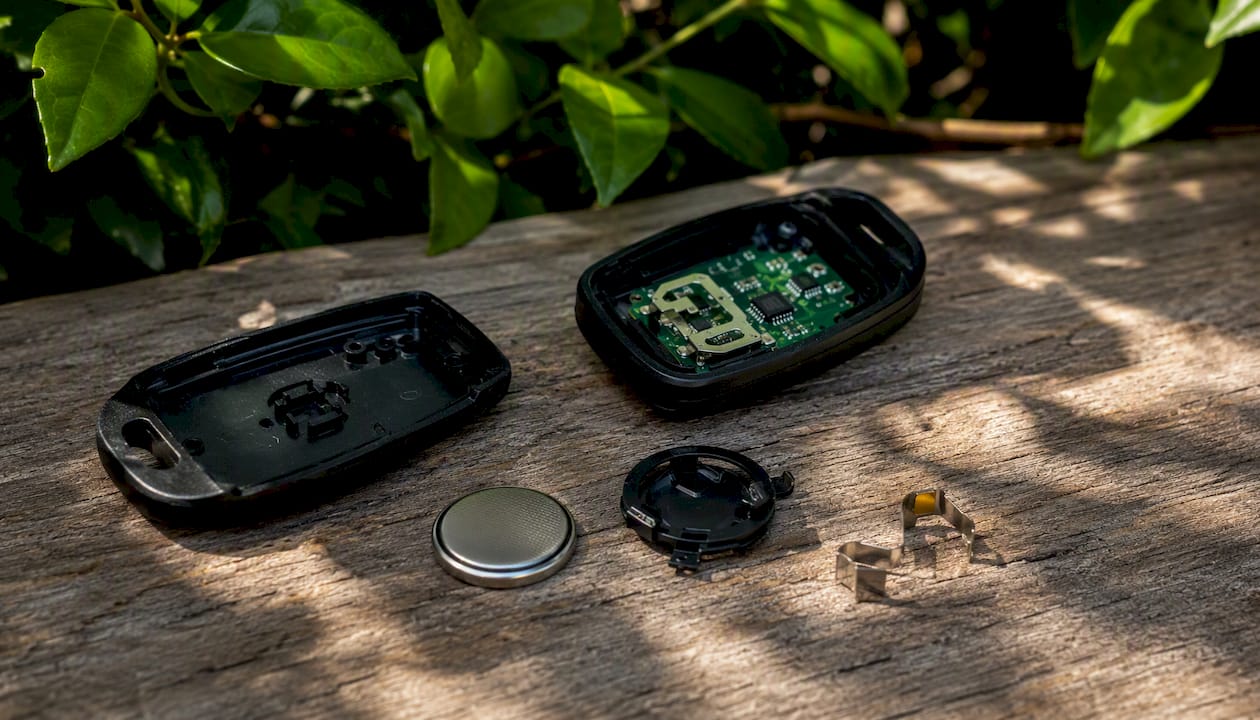
What that means practically is that the steps in this guide resolve most situations without any professional involvement. When we do get called out, it’s usually because a driver skipped the proximity-start test, didn’t realize the fob had a hidden mechanical key, or installed the replacement battery upside down. Running through the triage checklist in the troubleshooting section above catches all of those before you need to call anyone.
That said, some fobs do fail beyond a battery swap, and some vehicles require specialized programming equipment. When you’ve worked through every DIY step and the car still won’t recognize the key, that’s the right moment to call us. Our technicians carry the tools to diagnose, program, and replace fobs for most makes and models, and we come to you anywhere in Delaware. Check our locksmith service overview for the full list of what we handle on-site.

Stranded in Delaware with a dead key fob? Locallocksmithandcarkeysdelaware provides fast mobile response for emergency unlocks, on-site fob diagnosis, key cutting, and transponder programming across Delaware. Call us before you call a tow truck. Visit our automotive locksmith services page or check your local service area to reach us now.
Sources
Recommended


Comments